RESERVE YOUR APPOINTMENT
111 E Jackson Ave, Suite 102 · Knoxville
Monday through Friday, 10 AM to 5 PM, by appointment only. After-hours appointments available upon request.
Home / Treatments / PRP Injections
Platelet-rich plasma from your own blood, used to support skin quality.
RESERVE YOUR APPOINTMENTPRP injections
Beyond the scalp, platelet-rich plasma is used in aesthetic medicine as an injectable treatment for facial skin rejuvenation. PRP is prepared from a patient’s own blood and contains concentrated platelets and associated growth factors involved in the body’s natural healing and tissue repair processes. When injected into targeted areas of the face, PRP may support collagen remodeling and improvements in certain aspects of skin quality over time. Because PRP is an autologous treatment derived from the patient’s own blood, the composition and individual biological response vary from person to person. Results are therefore variable and cannot be predicted or guaranteed.
Because PRP is derived entirely from the patient’s own blood, the risk of an allergic reaction to the injected material itself is low. It is still a medical procedure involving blood collection and injections, and temporary swelling, bruising, tenderness, redness, or other treatment related side effects can occur. Unlike dermal filler, PRP is not injected to create predictable structural volume or contour. Any visible improvement develops through the patient’s individual biological response, which means the degree of change can vary considerably. Some patients may notice improvement in aspects of skin quality, while others may experience subtle or no visible change. Results are not guaranteed.
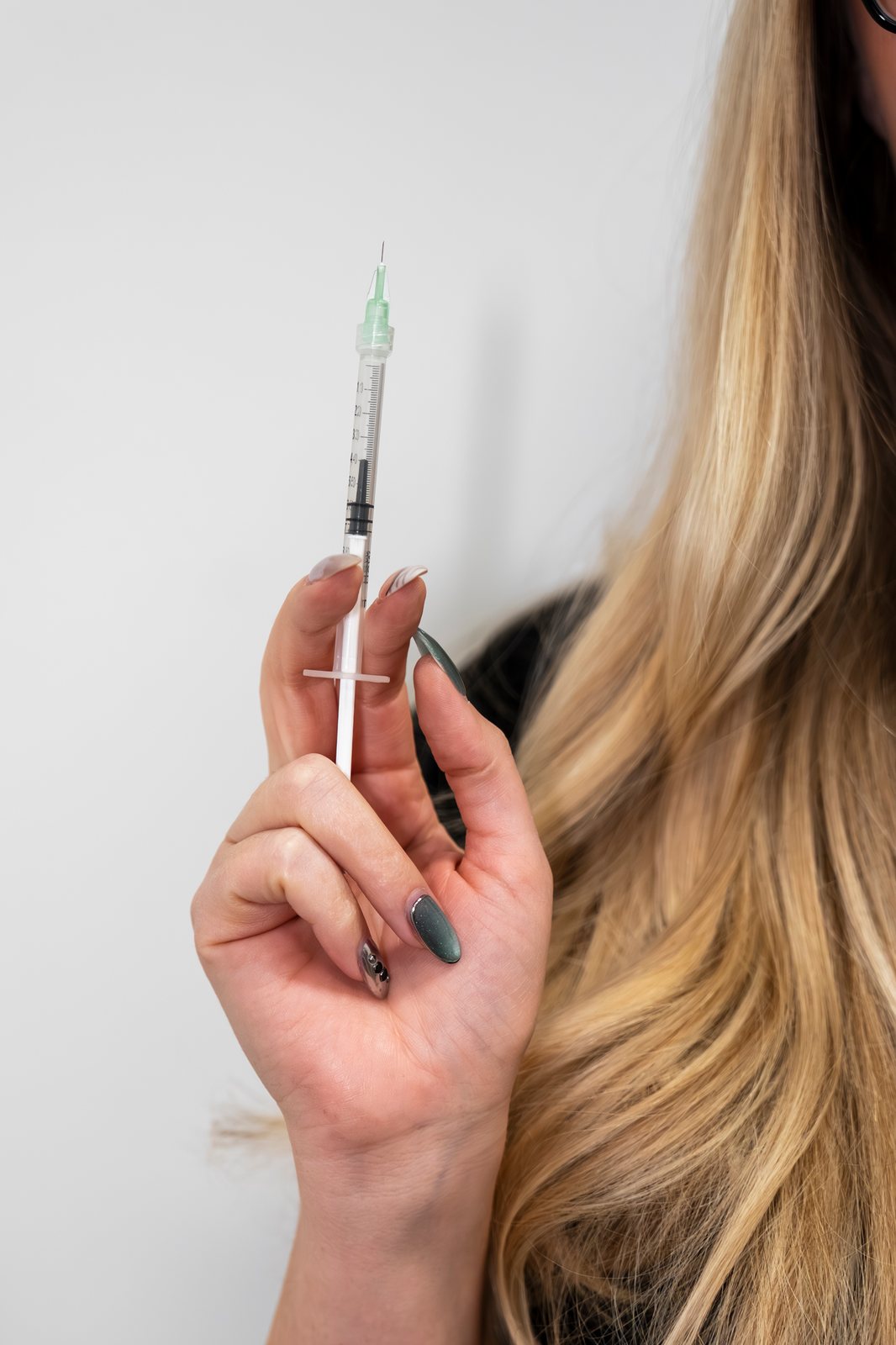
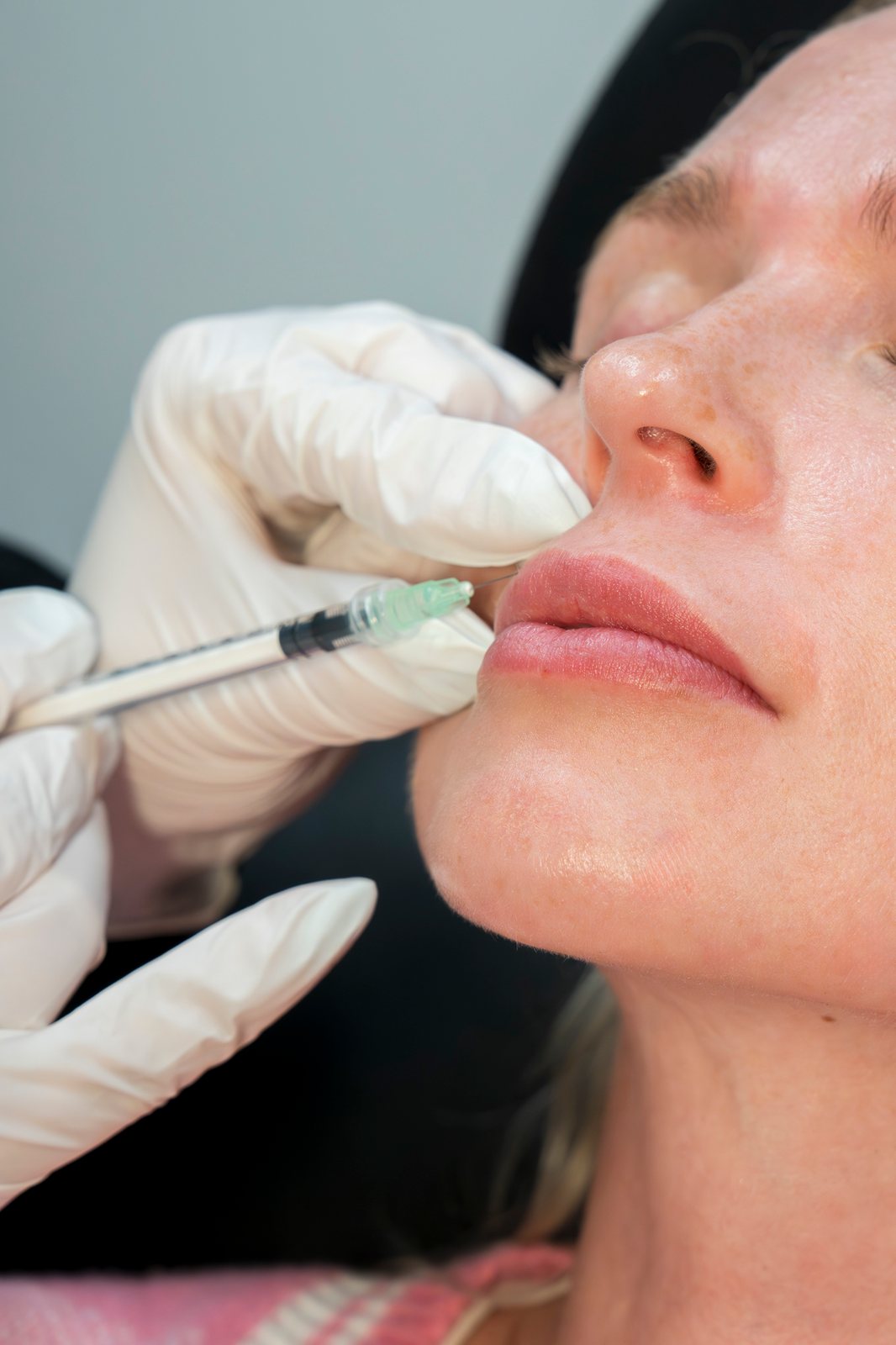
PRP may be used to address concerns such as fine lines, texture, and overall skin quality, including in appropriately selected patients concerned about the under-eye area. Because the response depends on the patient’s own platelets and individual biology, the degree of improvement varies and cannot be guaranteed.
For appropriately selected patients concerned about fine lines and texture.
Where improving skin quality, fine lines, or texture is the goal.
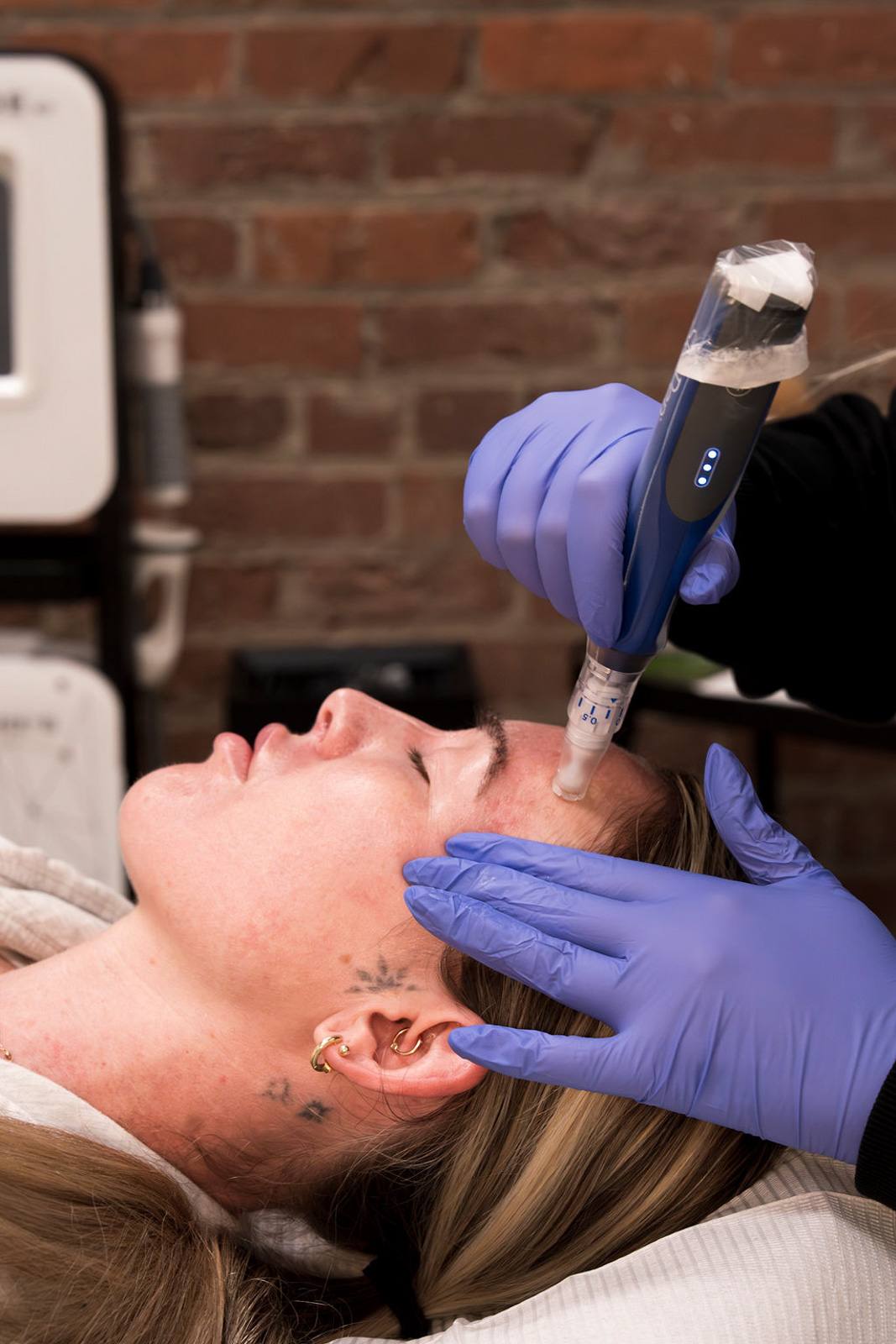
PRP may be part of a broader plan that includes microneedling when clinically appropriate.
Results
Real patients, shared with their permission. Individual results vary.
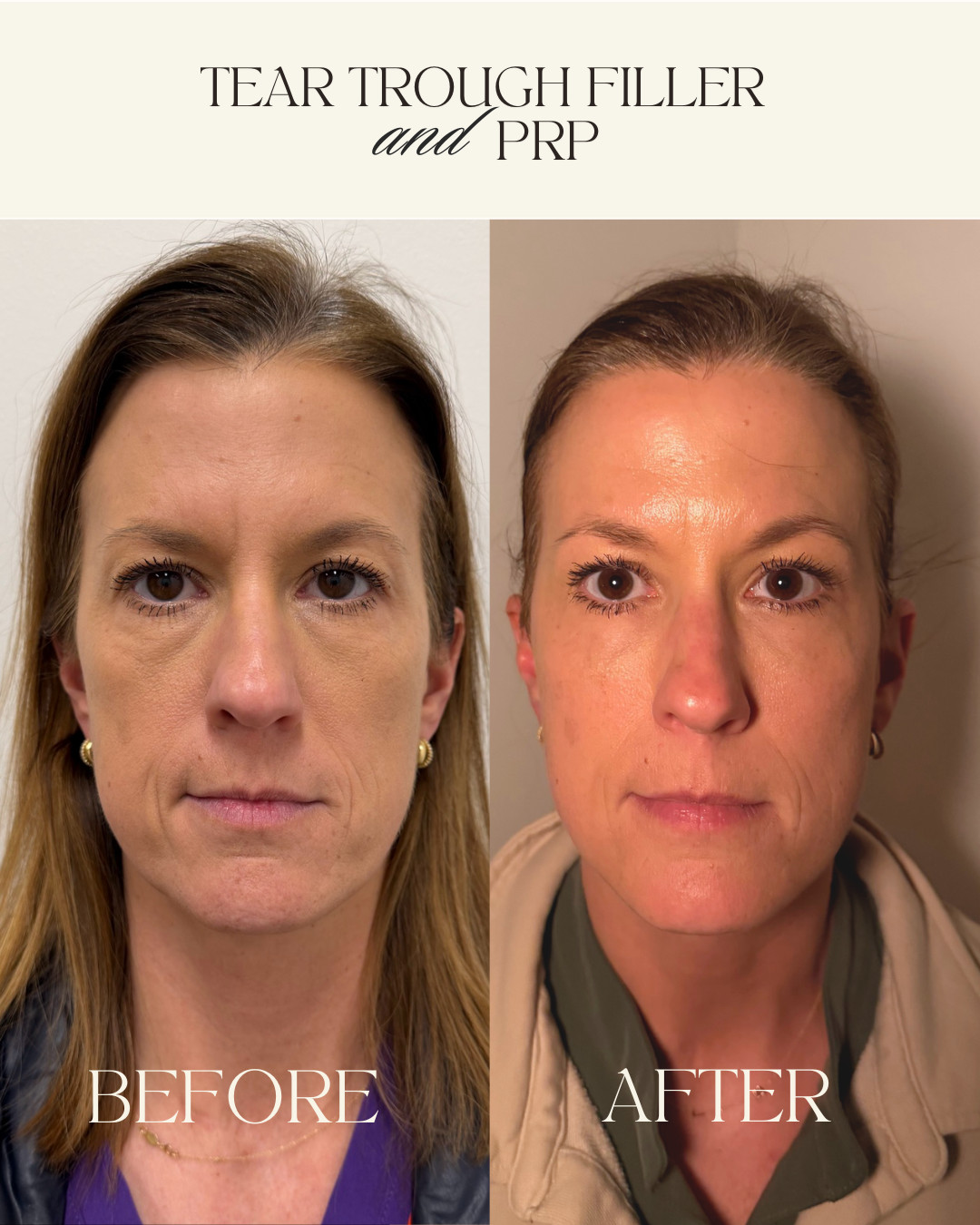
Tear trough filler with PRP
Individual results vary. Because PRP is prepared from each patient's own blood and relies on an individual biological response, improvement cannot be predicted or guaranteed.
The process
The process starts the same way as PRP hair restoration: a standard blood draw, processed through a centrifuge to concentrate the platelet-rich portion of the plasma. That concentrated PRP is then injected into the treatment area, including areas such as the under eye region or other areas of the face where improving skin quality, fine lines, or texture is the goal. PRP may also be incorporated into a broader treatment plan that includes microneedling when clinically appropriate. These are distinct treatment modalities, and Molly determines how and when they are used based on the patient’s skin, anatomy, and treatment goals.
Some discomfort with the injections is expected, particularly in sensitive areas such as under the eyes. Comfort measures may be used depending on the treatment area and individual patient. Downtime is generally limited, but it varies by treatment area and patient. Temporary redness, swelling, tenderness, or bruising can occur after injections, particularly around the eyes. Molly will review expected recovery based on the areas being treated.
A standard blood draw.
The platelet-rich portion of the plasma is concentrated.
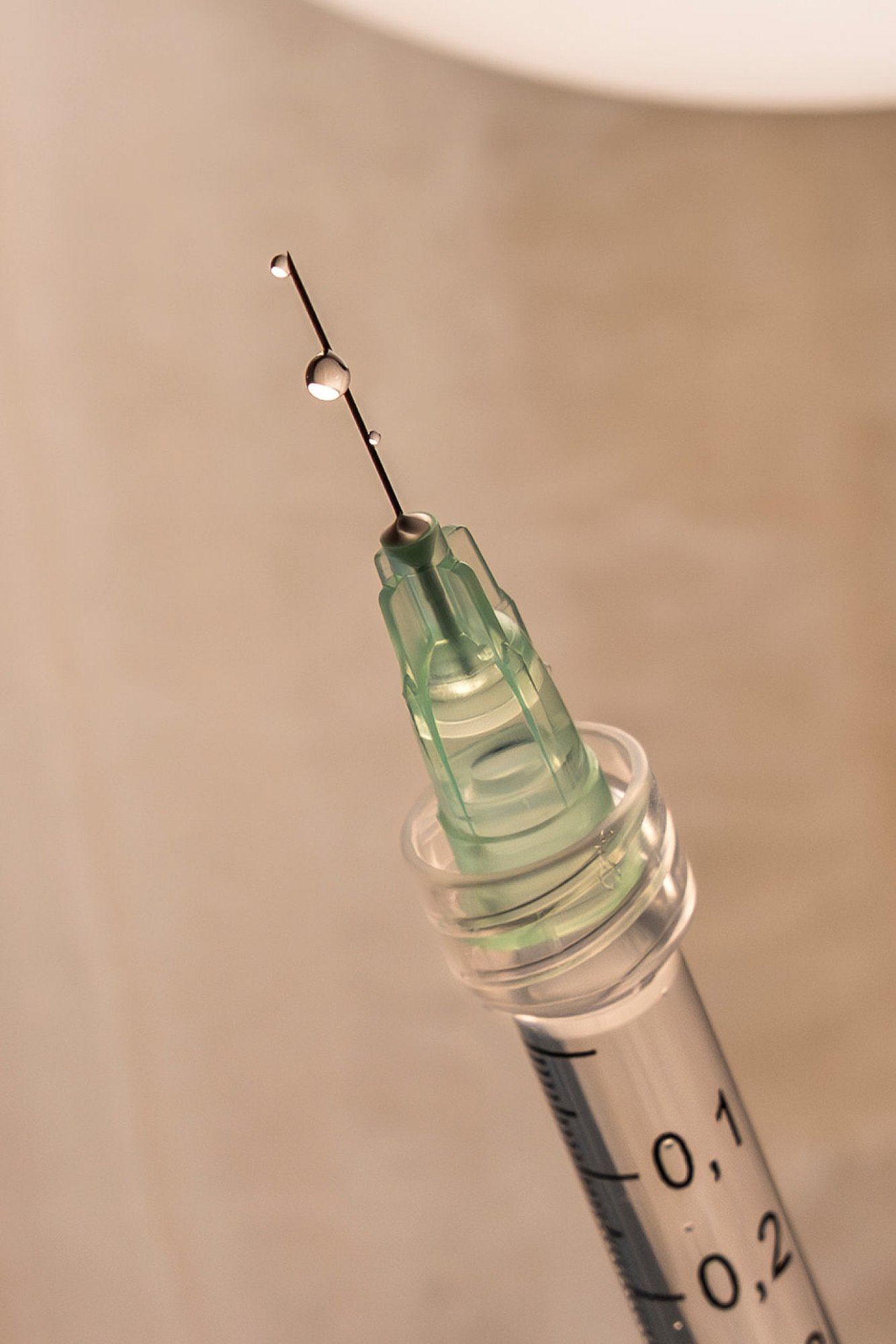
The concentrated PRP is injected into the treatment area. Comfort measures may be used depending on the area.
Temporary redness, swelling, tenderness, or bruising can occur. Recovery varies by area.
Any improvement develops gradually and varies by patient. Results are not guaranteed.
What makes Astra's approach different
I think one of the most important things to understand about PRP is also one of the reasons patients are drawn to it: it comes from your own blood. That means we aren’t injecting a manufactured product to create a predetermined amount of volume or correction. We are using a concentration of your own platelets with the goal of supporting your skin’s natural remodeling process.
That also means I am very careful about setting expectations. Your PRP is biologically unique to you, and your response is unique to you. I cannot predict exactly how much improvement someone will see, and I never want to imply that a series of PRP treatments guarantees a specific result. I recommend it when I think the treatment makes sense for the patient’s concern and when the patient understands that any improvement is expected to be gradual and variable.
I also don’t use PRP as a substitute for filler when what a patient actually needs is structural support, or as a substitute for another skin treatment when it is better suited to the concern. The treatment has to make sense for the goal rather than simply being appealing because it comes from the patient’s own body.
A common consultation conversation
A common PRP patient is someone interested in improving skin quality or the appearance of the under eye area but isn’t necessarily looking for the structural change associated with filler. I explain that PRP is a very different treatment. It doesn’t replace lost volume in the same predictable way, and I can’t promise how strongly an individual patient’s tissue will respond.
For the right patient, that gradual approach may be exactly what they’re looking for. For someone who wants an immediate or highly predictable structural correction, I would rather explain why another treatment may be more appropriate than oversell what PRP can accomplish.