RESERVE YOUR APPOINTMENT
111 E Jackson Ave, Suite 102 · Knoxville
Monday through Friday, 10 AM to 5 PM, by appointment only. After-hours appointments available upon request.
Home / Treatments / Dermal Filler & Facial Balancing
RHA filler planned around proportion, profile, and how your face moves.
RESERVE YOUR APPOINTMENTDermal filler
As the face ages, it doesn’t just develop lines. It loses volume. Changes in fat, bone, skin, and soft tissue can alter the proportions and contours of the face over time. Cheeks may appear flatter, the jawline can lose definition, lips can thin, and hollowness may become more noticeable. Dermal filler can be used to restore volume, provide structural support, enhance natural features, and create better balance between different areas of the face.
Most modern dermal fillers are made from hyaluronic acid (HA), a substance naturally found in the body that helps bind water within the skin and other tissues. Injectable HA fillers are formulated to remain in the treatment area for an extended period, allowing them to provide volume, contour, or structural support depending on the product selected and where it is placed.
At Astra Aesthetics in Knoxville’s Old City, filler treatment is approached as facial balancing rather than simply adding volume. Molly evaluates the face as a whole, considering proportion, profile, symmetry, movement, and how one feature relates to another before recommending treatment.


Dermal filler is used across a range of areas, each with different goals.
Filler can restore lost volume, enhance contour, and provide support where appropriate.
Filler can improve projection, proportion, and definition. These treatments can be especially useful in facial balancing, where even a subtle change in the chin or lower face can influence how the profile looks as a whole.
Treatment may restore volume that has changed with age, improve symmetry, enhance shape, or add subtle fullness. At Astra, the goal is proportion and balance rather than volume for volume’s sake.
For appropriately selected patients, filler may also be considered for certain areas of facial hollowness. Not every concern is best treated with filler, and not every patient is a candidate for every treatment area. Molly evaluates the underlying anatomy first and will recommend another approach when filler is unlikely to produce the best result.
Results
Real patients, shared with their permission. Individual results vary.
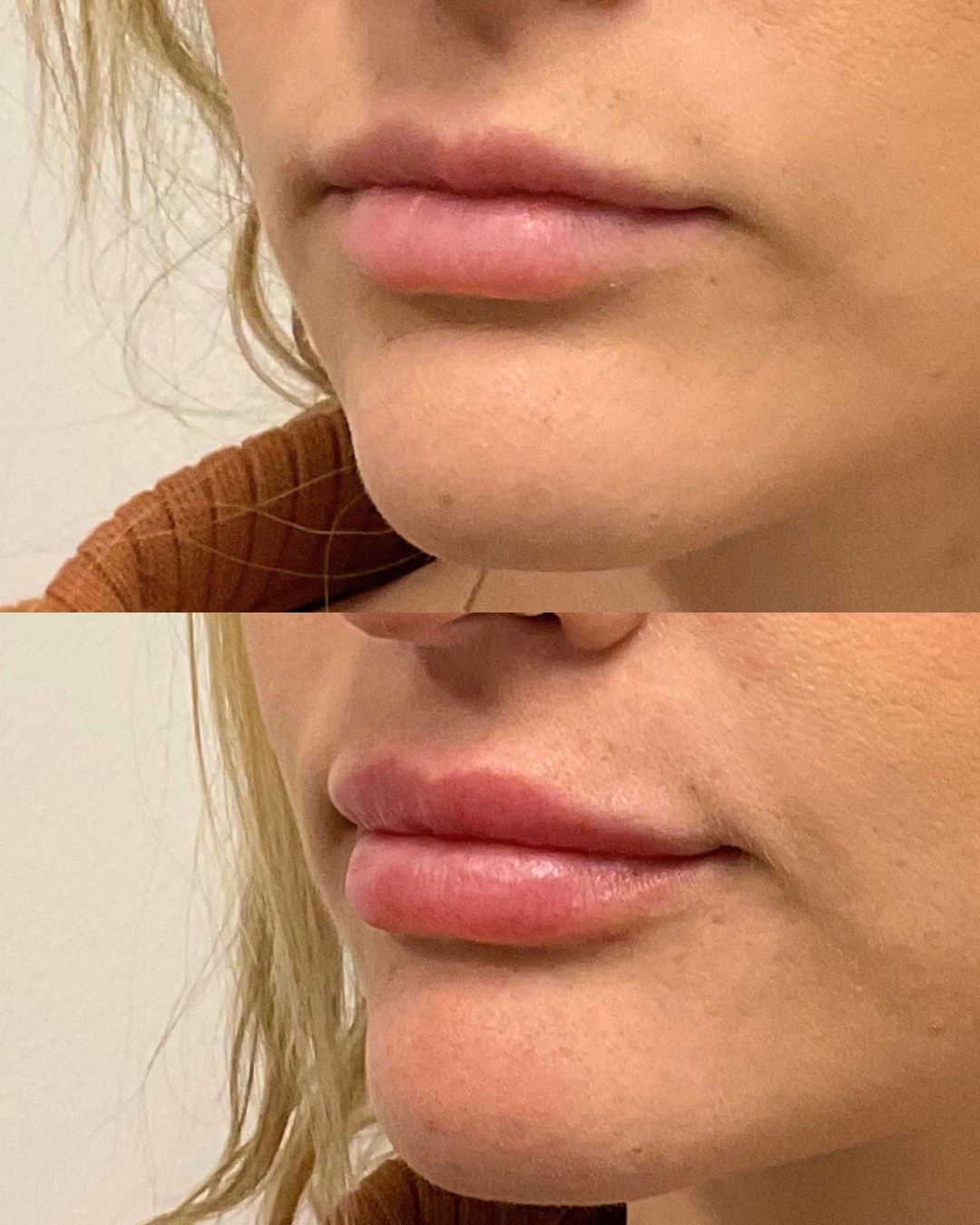
Lip filler
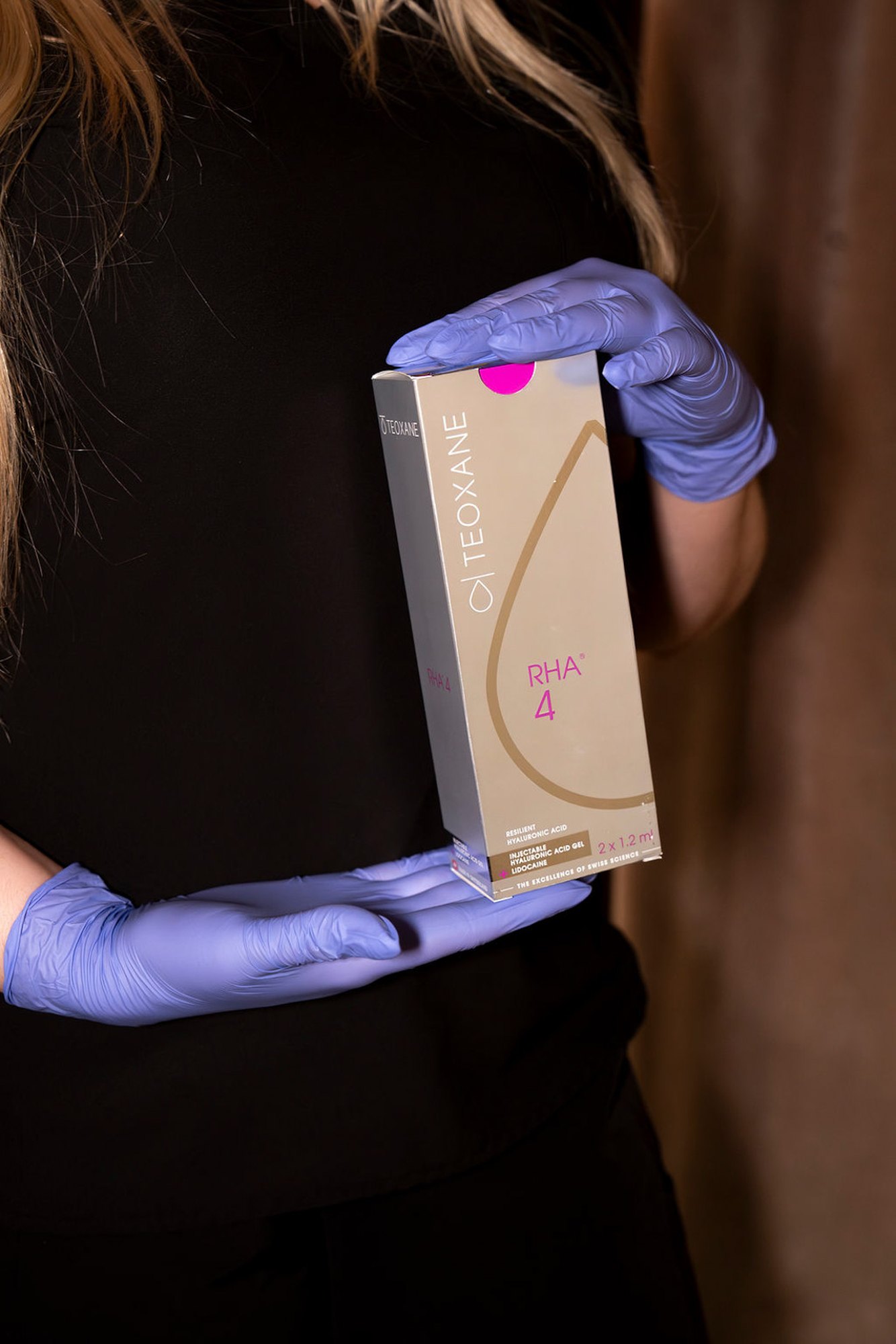
RHA by Teoxane
Not all hyaluronic acid fillers behave the same way. Differences in formulation affect characteristics such as firmness, flexibility, and how a product integrates into the tissue, which is why product selection matters as much as the amount being injected.
Astra uses RHA by Teoxane, a collection of Resilient Hyaluronic Acid fillers designed with facial movement in mind. Different products within the RHA Collection have different properties, allowing Molly to select a filler based on the anatomy being treated, the amount of support needed, and how naturally that area moves during expression.

The appointment includes a facial assessment and personalized treatment plan followed by a series of carefully placed injections. Topical numbing may be used depending on the treatment area, and many hyaluronic acid fillers also contain lidocaine to improve comfort during treatment. Molly may use a needle or cannula depending on the area, anatomy, and treatment plan. Most appointments take thirty to sixty minutes. Swelling and bruising can occur for several days afterward, particularly in the lips, and results are best evaluated after the initial swelling has resolved and the filler has had time to settle. For many patients, this is around the two week mark, although healing time varies by treatment area and individual response.
A facial assessment and a personalized treatment plan.
Carefully placed injections with a needle or cannula. Topical numbing may be used, and many HA fillers contain lidocaine.
Swelling and bruising can occur, particularly in the lips.
Results are best evaluated once swelling has resolved. Healing time varies by area and patient.
What makes Astra's approach different
I don’t approach filler by looking at one feature in isolation. I evaluate the face as a whole, including proportion, profile, symmetry, movement, and how each feature relates to the others. Sometimes the area a patient initially asks to treat isn’t the area that will create the most balanced result. My goal is never to add volume simply because we can. I use filler intentionally, choosing the product, placement, and amount based on the individual patient’s anatomy. The best result should make the face feel more balanced and refined while still looking unmistakably like the person I started with.
I also think it is important to know when not to inject. If I don’t believe filler is the right treatment for a concern, I will say so and recommend another option when appropriate.
A common consultation conversation
Patients often come in focused on one feature, such as their lips, jawline, or profile. Part of my job is helping them understand how that feature relates to the rest of the face and whether treating it alone will actually create the result they want. Sometimes the best treatment plan is less filler than the patient expected, a different treatment area, or no filler at all.